
Ohl
搜索"Ohl"找到部影视作品

导演:
主演:
剧情:
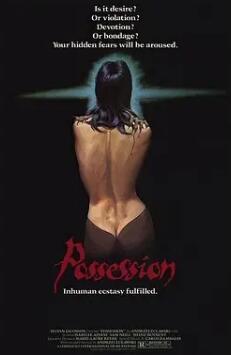
马克(Sam Neill 饰)的妻子安娜(Isabelle Adjani 伊莎贝尔•阿佳妮 饰)未留下任何原因离家出走,他一度认为安娜与一个名叫海恩里克(Heinz Bennent 饰)的男人有染,却发现海恩里克也在寻找许久未见的安娜。马克于是雇佣私家侦探调查。但随着线索的逐一呈现,事实的真相反倒令马克等人难以置信。安娜所耽恋的对象竟然是……
本片分别荣获1982年戛纳国际电影节和法国凯撒电影节最佳女演员奖、1983年葡萄牙奇幻电影节观众大奖和最佳女主角奖、1981年西班牙圣保罗国际电影节评论奖。
本片分别荣获1982年戛纳国际电影节和法国凯撒电影节最佳女演员奖、1983年葡萄牙奇幻电影节观众大奖和最佳女主角奖、1981年西班牙圣保罗国际电影节评论奖。

主演:
剧情:
A couple hires a live-in nanny to watch the offspring while they work. At first, everything goes perfectly, but when an unsafe incident means the parents no longer want the nanny around, they find out this nanny is savvy at not being evicted from her live-in situation. So savvy, in fact, that she can make these parents' lives a true nightmare.

导演:
主演:
剧情:
一个四世同堂的家族在平安夜齐聚祖屋,这可能是他们最后一次在这里过圣诞。随着夜色渐深,几代人的紧张关系愈发剑拔弩张。
影片曾入围2024年戛纳导演双周。
影片曾入围2024年戛纳导演双周。
剧情:
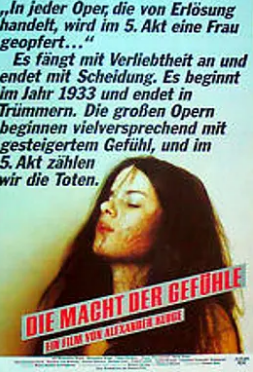
The Power of Emotion explains that emotion isn't to be confused with sentimentality. Emotion is ancient and more powerful than any art form. The film looks at young couples who run into difficulties as they try to translate their experiences of love into clear decision-making. A woman who has shot her husband provides a judge with a puzzle. Those who love can bring the dead back to life by means of co-operation. That's the focus of the opera, "The Power Plant of Emotions" and the "Opera of the 20th Century" cinema.
Alexander Kluge: The Power of Feeling
When I started working on The Power of Feeling, I was not in a rational state. I did not say, I have a subject and now I will make a film about it. Instead I was spellbound and observed in my direct surroundings, for example, how feelings move. I have not really dealt with the theme of my mother's death and the fact that she was the one who taught me "how feelings move." Nor have I dealt with how she died. That was an entire palette of feelings: "All feelings believe in a happy end," and everyone believes tacitly that they will live forever: The entire palette is somehow optimistic, a positive attitude towards life having been put on the agendaas long as she was young, as long as her body held out, from one day to the next she collapsed. She just suddenly collapsed, like in an opera where disaster takes the stage in the fifth act. It felt as if I had observed an air raid or a disaster.
The film The Power of Feeling is not about feelings, but rather their organization: how they can be organized by chance, through outside factors, murder, destiny; how they are organized, how they encounter the fortune they are seeking.What is all this organization of feelings about? Generally feelings tend to be a dictatorship. It is a dictatorship of the moment. The strong feeling I am having right now suppresses the others. For thoughts this would not be the case. One thought attracts others like a magnet. People therefore need affirmation by other people to be sure about their own feelings (to counteract the acquisition of their feelings through outside forces). Through the interaction of many people, for example, in public, the various feelings also have a magnetic attraction to one another just like thoughts do. Feelings communicate through their manifestation in public.
The cinema is the public seat of feelings in the 20th century. The organization is set up thusly: Even sad feelings have a happy outcome in the cinema. It is about finding comfort: In the 19th century the opera house was the home to feelings. An overwhelming majority of operas had a tragic end. You observed a victim.
I am convinced that there is a more adventuresome combination: Feelings in both the opera and traditional cinema are powerless in the face of destiny's might. In the 20th century feelings barricaded themselves behind this comfort, in the 19th century they entrenched themselves in the validity of the lethal seriousness.
Alexander Kluge: The Power of Feeling
When I started working on The Power of Feeling, I was not in a rational state. I did not say, I have a subject and now I will make a film about it. Instead I was spellbound and observed in my direct surroundings, for example, how feelings move. I have not really dealt with the theme of my mother's death and the fact that she was the one who taught me "how feelings move." Nor have I dealt with how she died. That was an entire palette of feelings: "All feelings believe in a happy end," and everyone believes tacitly that they will live forever: The entire palette is somehow optimistic, a positive attitude towards life having been put on the agendaas long as she was young, as long as her body held out, from one day to the next she collapsed. She just suddenly collapsed, like in an opera where disaster takes the stage in the fifth act. It felt as if I had observed an air raid or a disaster.
The film The Power of Feeling is not about feelings, but rather their organization: how they can be organized by chance, through outside factors, murder, destiny; how they are organized, how they encounter the fortune they are seeking.What is all this organization of feelings about? Generally feelings tend to be a dictatorship. It is a dictatorship of the moment. The strong feeling I am having right now suppresses the others. For thoughts this would not be the case. One thought attracts others like a magnet. People therefore need affirmation by other people to be sure about their own feelings (to counteract the acquisition of their feelings through outside forces). Through the interaction of many people, for example, in public, the various feelings also have a magnetic attraction to one another just like thoughts do. Feelings communicate through their manifestation in public.
The cinema is the public seat of feelings in the 20th century. The organization is set up thusly: Even sad feelings have a happy outcome in the cinema. It is about finding comfort: In the 19th century the opera house was the home to feelings. An overwhelming majority of operas had a tragic end. You observed a victim.
I am convinced that there is a more adventuresome combination: Feelings in both the opera and traditional cinema are powerless in the face of destiny's might. In the 20th century feelings barricaded themselves behind this comfort, in the 19th century they entrenched themselves in the validity of the lethal seriousness.
导演:
主演:
剧情:
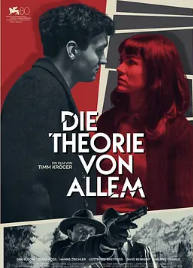
德国导演提姆克格入选威尼斯影展正式竞赛的《爱的时空效应》,大玩图像叙事,故事由一场在瑞士阿尔卑斯山举办的物理学盛会展开,苦心专研旷世学说的博士,邂逅谜一般的女子,她竟对他无所不知;诡云当空、怪事频传,平行宇宙奇遇即将一发不可收拾。视频从复古黑白摄影、配乐到剪辑,维妙维肖仿拟经典老片。黑色电影风格混搭山林冒险类型,再叠加法国新浪潮,重现希区考克与大卫林区的惊悚神韵,搬演一出阿尔卑斯山脚下的《暗》。

剧情:
Looking for a good time, two friends on a trip to Barcelona befriend a couple of girls but it's not fun they find, instead they get trapped in a house haunted by a devilish ghost bent on tearing apart anyone that enters her dwelling.

导演:
剧情:
露比无意中目睹了麦克斯顿霍尔私立高中一个爆炸性的秘密,傲慢的百万富翁继承人詹姆斯博福被迫跟这个聪明敏锐的优秀学生杠上了,试图封住她的嘴,但他们的过招让他懊恼不已。他们火药味十足的针锋相对,意外地点燃了火花…

导演:
主演:
剧情:
该片改编自埃里希·玛利亚·雷马克撰写的同名经典小说,讲述在第一次世界大战期间,保罗·鲍曼和同学莱尔、米勒参加了德国国民志愿兵,被派往前线与法军作战。在战场上,他们目睹到了残酷的饥饿、血腥和死亡,战争的荒谬无情让保罗从迷恋战争到心灰意冷。